classical
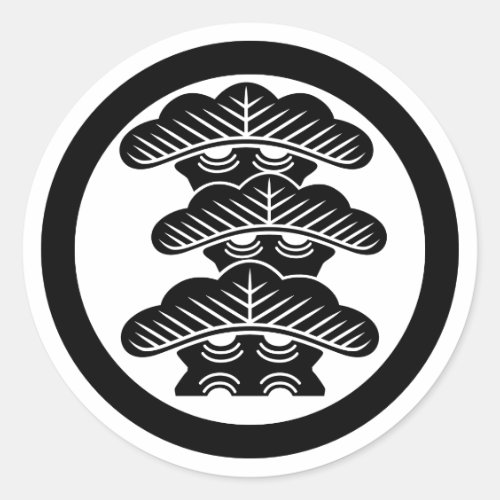
[Family Crest] Right-align 3tier pine tree w/round Classic Round Sticker
This family crest depicts three tiers of pine branches stacked vertically within a circle, with the center tier shifted to the right.
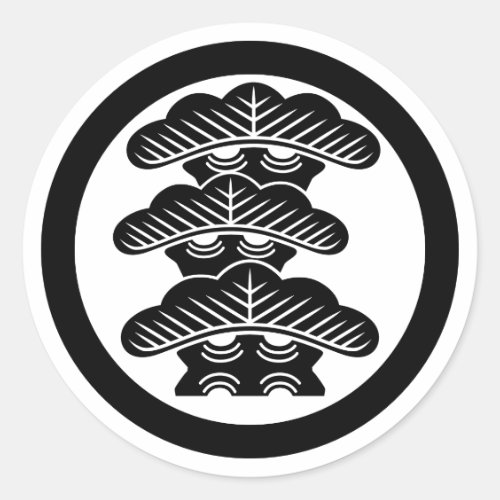
[Family Crests] Left-align 3tier pine tree w/round Classic Round Sticker
This family crest depicts three tiers of pine branches stacked vertically within a circle, with the center tier shifted to the left.
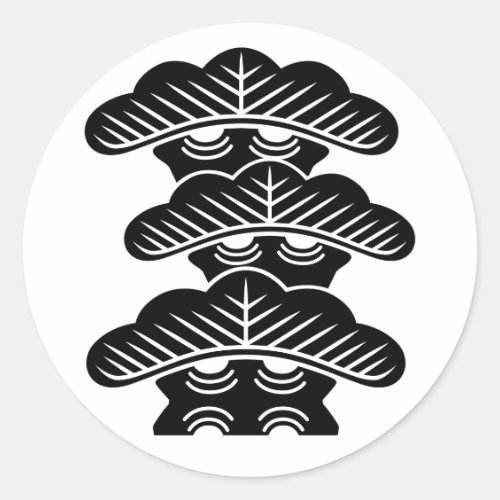
[Family Crests] Right-aligned 3tiered pine trees Classic Round Sticker
This family crest depicts three tiers of pine treetops, with the middle tier shifted to the right.
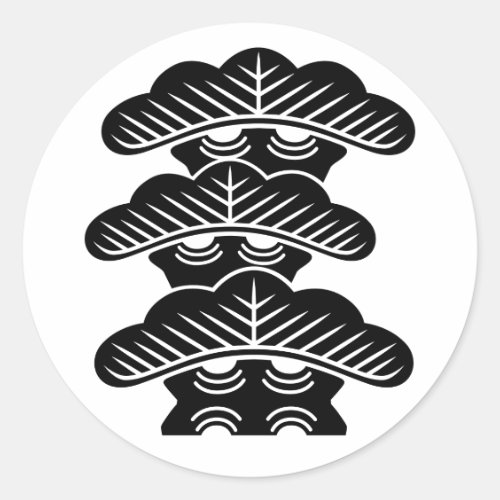
[Family Crests] Left-aligned 3tiered pine trees Classic Round Sticker
This family crest depicts three tiers of pine treetops, with the middle tier shifted to the left.

[Family Crests] Nine bamboo leaves Classic Round Sticker
This family crest depicts three bamboo leaves arranged in a set, with three such sets gathered and drawn in a circular pattern with their bases joined.
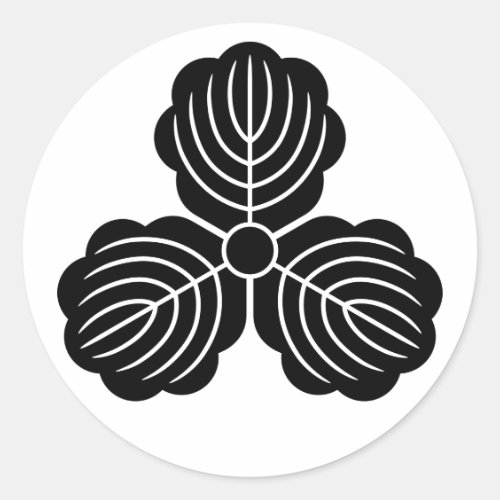
[Family Crests] three ork leaves Classic Round Sticker
This family crest depicts three broad oak leaves spread out in three directions. Oak leaves were revered as sacred since ancient times, having been used as vess

[Family Crests] Tachibana flower Classic Round Sticker
This family crest depicts the fruit, leaves, and flowers of the tachibana, an evergreen shrub of the citrus family, rendered as an emblem.
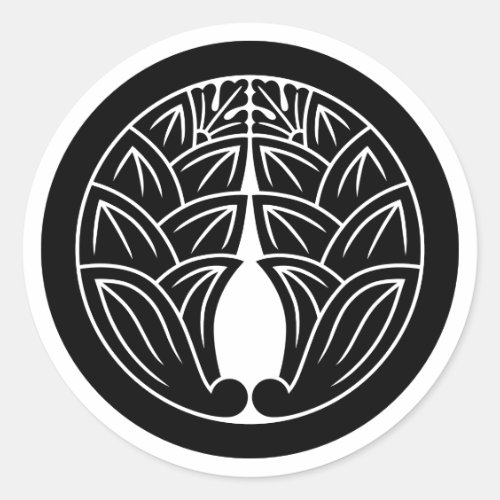
[Family Crests] 2 symmetrical Jpn gingers w/round Classic Round Sticker
A family crest featuring a circle drawn around two symmetrical Japanese Gingers.

[Family Crests] 2 symmetrical holly leaves w/round Classic Round Sticker
A family crest featuring a circle drawn around two symmetrical holly leaves. Holly leaves are considered sacred trees that ward off demons, as seen in Setsubun

[Family Crests] Crossed hawk feathers with circle Classic Round Sticker
A family crest depicting hawk feathers overlapping diagonally within a circle, with the left side facing upward.

[Family Crests] Crossed hawk feathers Classic Round Sticker
This family crest depicts hawk feathers overlapping diagonally, with the left side positioned upward.

[Family Crests] Right-rotating Mitsu-domoe Classic Round Sticker
This ancient pattern, also found in Jōmon period sites, is generally believed to represent thunder. This is a clockwise “Mitsudomoe.” Clockwise flow is traditio
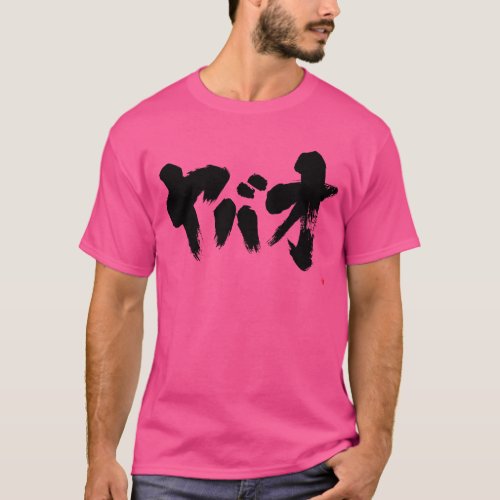
[Katakana] Dangerous, Crazy & Cool Guy T-Shirt
The first two Japanese words, “yabai,” are extremely broad colloquial terms. This word has no specific target; it's subjective to the person interpreting it, so

[Family Crests] Threeleaf arrowhead with circle Classic Round Sticker
This family crest features a circle drawn around a Threeleaf arrowhead (Omodaka) crest. The Threeleaf arrowhead (Omodaka) crest depicts a single Threeleaf arro

[Family Crests] Threeleaf arrowhead Classic Round Sticker
The most basic design of the Threeleaf arrowhead (Omodaka) crest. It depicts a single Threeleaf arrowhead (Omodaka) leaf bearing five flowers on both sides, arr

[Family Crests] Left-rotating Mitsu-domoe Classic Round Sticker
This ancient pattern, also found in Jōmon period sites, is generally believed to represent thunder. The term “mitsudomoe” specifically refers to this left-rotat

[Family Crests] 16 petals chrysanthemum with round Classic Round Sticker
This family crest features a chrysanthemum with sixteen petals surrounded by lines of standard thickness. Flowers symbol and graphics at old age.

[Family Crests] back-side 16 petals chrysanthemum Classic Round Sticker
This family crest depicts a chrysanthemum with sixteen petals drawn from the reverse side. Flowers symbol and graphics at old age.

[Family Crests] Genji clan wheel Classic Round Sticker
Flowers symbol and graphics at old age. A family crest inspired by the imperial palanquin of old.

[Family Crests] Deformed Kaji leaf Classic Round Sticker
This family crest depicts a kaji leaf with a deformed petiole. Such logo-like designs are called “Kamon” in Japan.

[Family Crests] Gentian Flowers and Bamboo Classic Round Sticker
Flowers symbol and graphics at old age. This family crest depicts five bamboo-like leaves spread downward, with three gentian flowers drawn above them.

[Family Crests] Oni Kaji leaf Classic Round Sticker
This family crest features a kaji leaf pattern slightly different from the standard design, with pointed edges around the leaf. Such logo-like designs are calle

[Family Crests] Kaji leaf with circle Classic Round Sticker
This family crest features a circle drawn around a pattern of kaji leaves. Such logo-like designs are called “Kamon” in Japan.

[Family Crests] Rising wisteria with circle Classic Round Sticker
it's said MaruniAgarifuji, in Japanese as Family crests. Flowers symbol and graphics at old age.

[Family Crests] Rising wisteria Classic Round Sticker
it's said Agarifuji, in Japanese as Family crests. Flowers symbol and graphics at old age.

[Family Crests] Orthodox wisteria Classic Round Sticker
it's said Sagarifuji, in Japanese as Family crests. Flowers symbol and graphics at old age.

[Family Crests] Plum blossom Classic Round Sticker
Flowers symbol and graphics at old age. The white family crest is hidden. Click the “Edit this design” button to display the white family crest, hide the black

[Family Crests] Plum Flower (Umebachi) with circle Classic Round Sticker
Flowers symbol and graphics at old age. The white family crest is hidden. Click the “Edit this design” button to display the white family crest, hide the black

[Family Crests] Kikyo flower inside a circle Classic Round Sticker
Japanese says "Kamon". Kikyo(bellflower) was used as a "flower fortune-telling the good and bad". It is also considered to be one of the rep

[Family Crests] Decorated Plum Flower Classic Round Sticker
Flowers symbol and graphics at old age. The white family crest is hidden. Click the “Edit this design” button to display the white family crest, hide the black

Merry Christmas in 8 langs and Happy Holiday Foil Gift Tags
This design features “Merry Christmas” in 8 languages and “Happy Holidays” in star-shaped typography. Merry Christmas is also available in Spanish, French, Japa
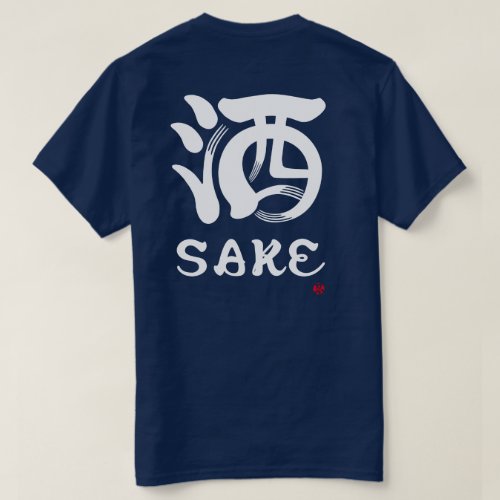
[Kanji] Sake, Japanese rice wine T-Shirt
We have redesigned traditional Japanese fonts with a modern twist. While other designs are primarily handwritten by professionals, this one uses a completely di
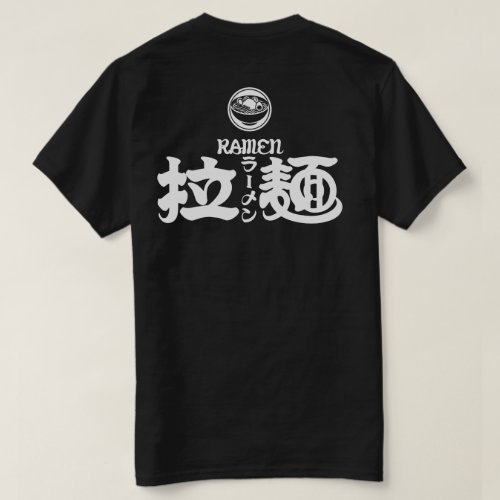
[Kanji & Katakana] Ramen T-Shirt
How about this for ramen shop staff T-shirts? The top illustration can be customized for your shop. If you're a ramen otaku, you should definitely own one. Typi
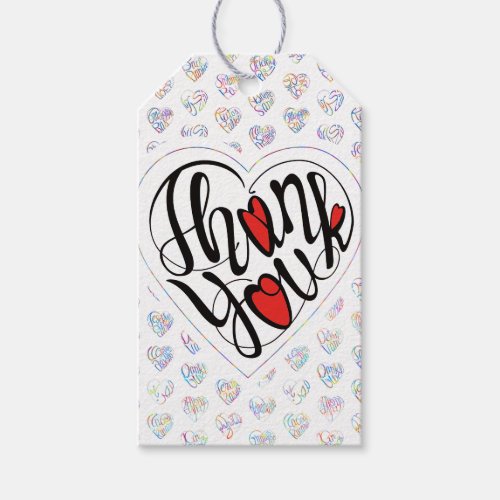
Thank you & hearts in 17 langs as heart shapes gift tags
The design is based on the heart shape of the word “thank you” and some hearts in 17 languages, 20types. Each “thank you” is polite, formal, or more emphatic th
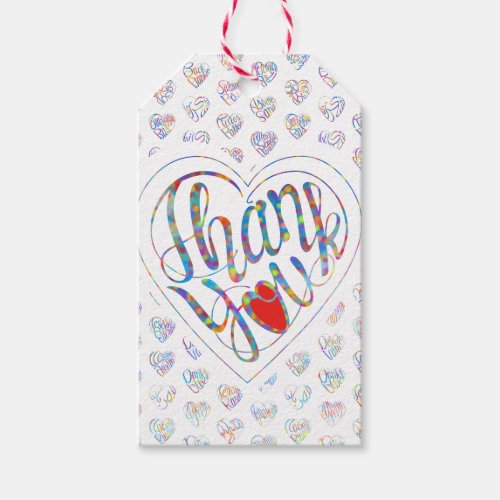
Thank you & heart in 17 langs as heart shapes gift tags
The design is based on the heart shape of the word “thank you” and a heart in 17 languages, 20types. Each “thank you” is polite, formal, or more emphatic than a
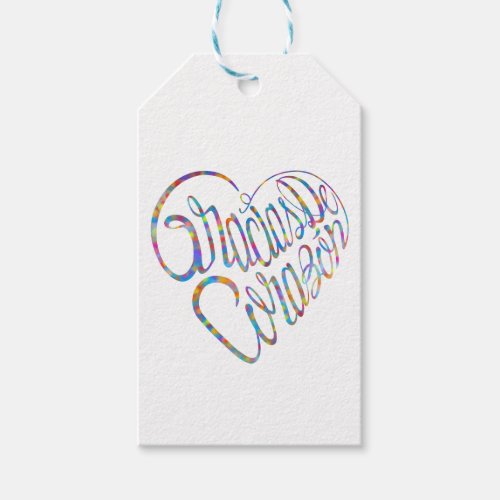
Thank you in 17 langs as heart shapes gift tags
The design is based on the heart shape of the word “thank you” in 17 languages, 20types. Each “thank you” is polite, formal, or more emphatic than a general tha
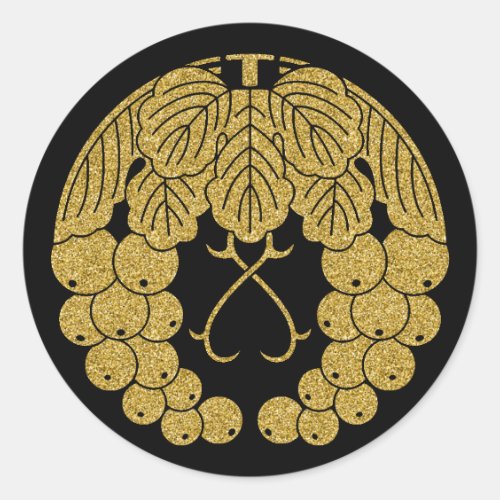
[Family Crests] Two grapes Classic Round Sticker
Family crests is "Kamon" in Japanese said. The grape crest is a very rare pattern that came from the continent.
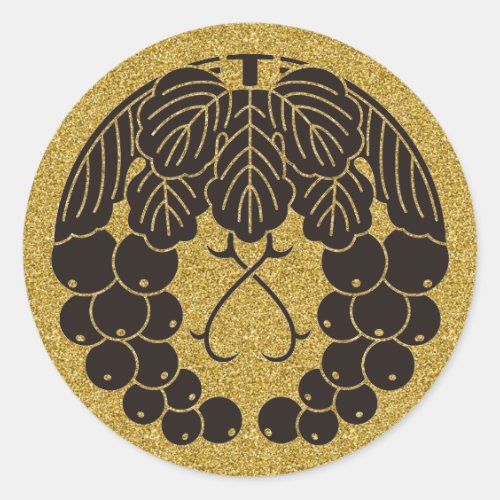
[Family Crests] Two grapes Classic Round Sticker
Family crests is "Kamon" in Japanese said. The grape crest is a very rare pattern that came from the continent.
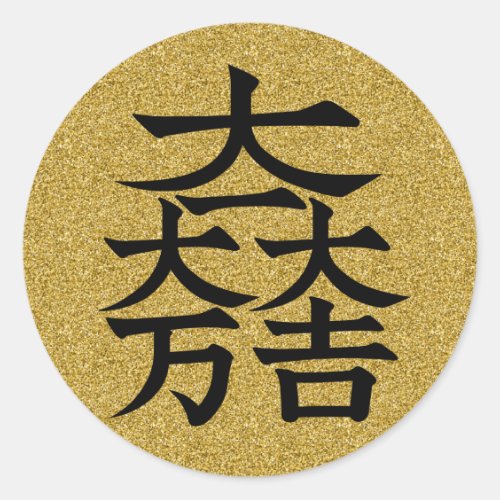
[Family Crests] Ishida Mitsunari flag symbol Classic Round Sticker
Japanese says "Kamon". It is a Kanji characters symbol that was raised as a war flag by a military commander named Mitsunari Ishida during the Warring
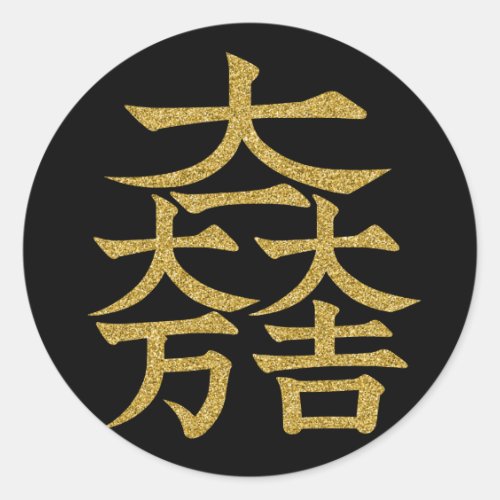
[Family Crests] Ishida Mitsunari flag symbol Round Classic Round Sticker
Japanese says "Kamon". It is a Kanji characters symbol that was raised as a war flag by a military commander named Mitsunari Ishida during the Warring
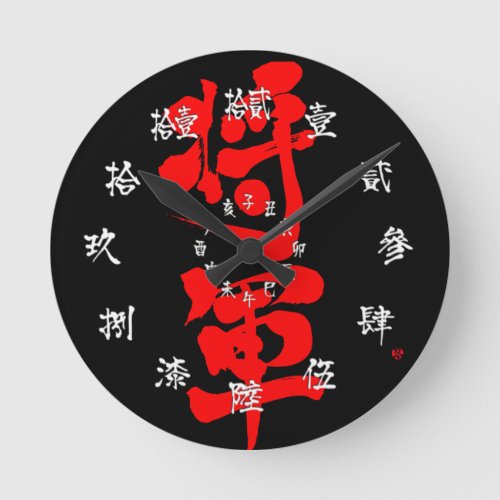
[Kanji] Shogun as classic letter and numbers Black Round Clock
It is a Kanji that old Japanese were using. Additional numbers as kanji and zodiac kanji on inside.
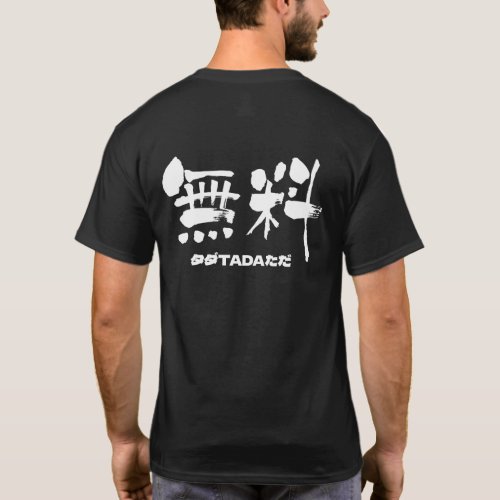
[Kanji] free amount T-Shirt
Japanese called Muryo in Kanji, Tada in Katakana and Hiragana. All same mean for price of free and free amount.
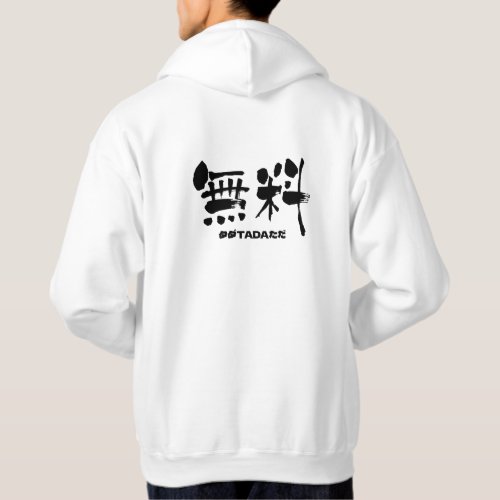
[Kanji] free amount Hoodie
Japanese called Muryo in Kanji, Tada in Katakana and Hiragana. All same mean for price of free and free amount.
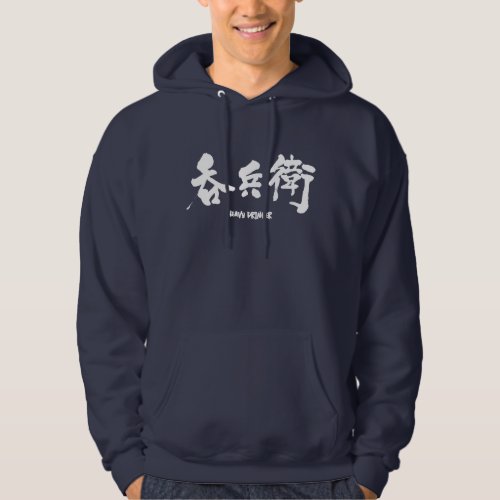
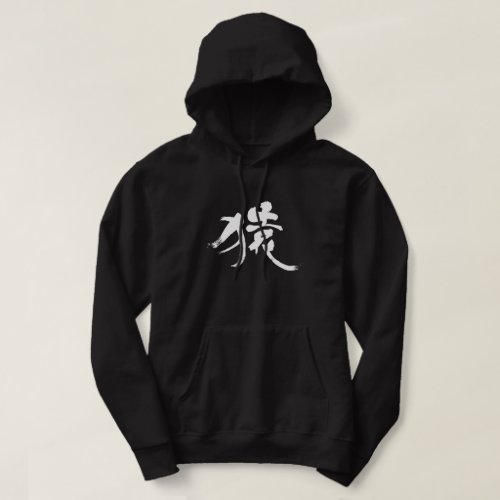
[Kanji] Monkey as white letter Hoodie
An animal that is considered to be the closest to humans. An animal that is considered to be the ancestor that evolved into humans. Japanese says Saru.
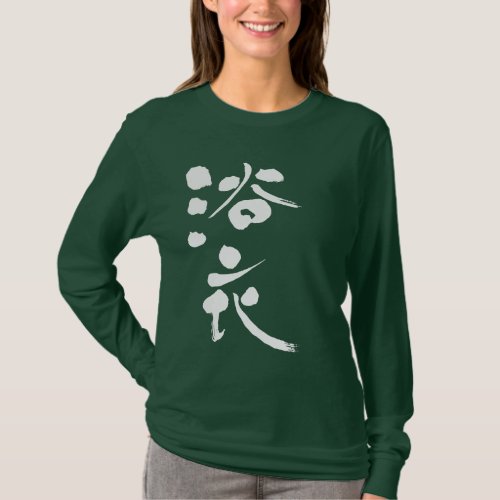
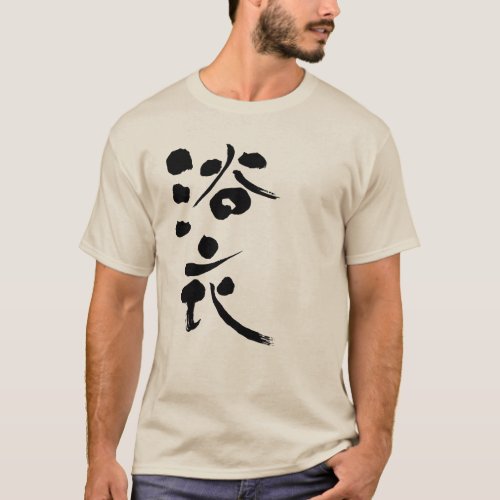
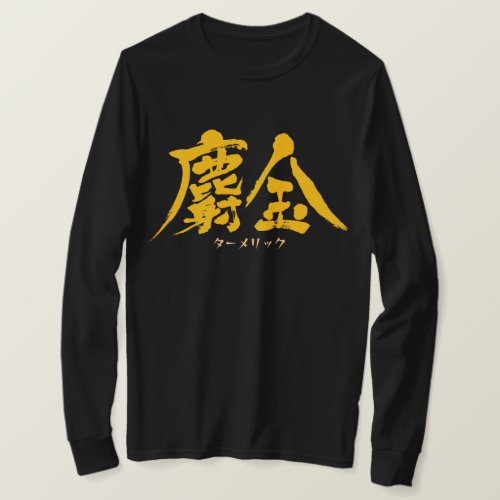
[Kanji] Turmeric as yellow letters T-Shirt
Japanese says "ukon" in Kanji with Turmeric in Japanese Katakana.
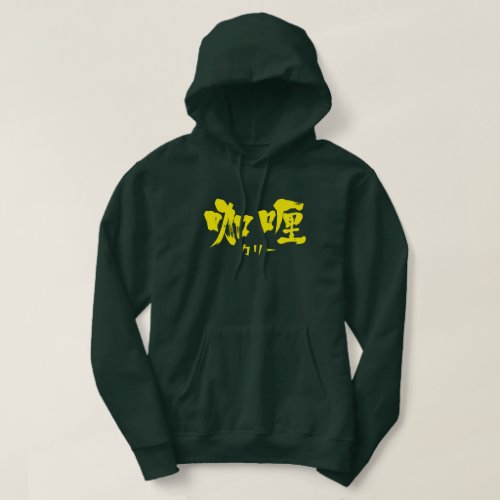
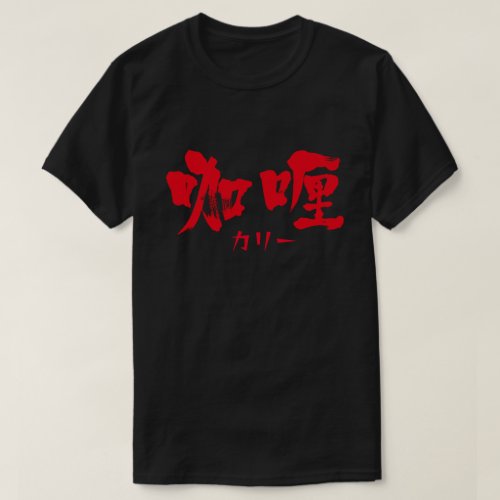
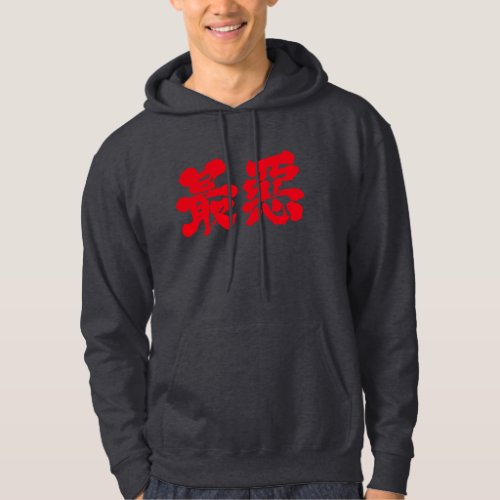
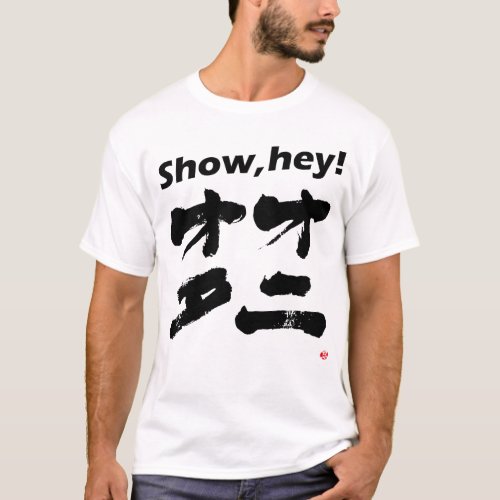
[Katakana] Show, hey! Ohtani T-Shirt
Show, hey! This is not exactly English, but it is an appeal to Shohei Otani. This is an appeal to Shohei Otani. It is a colloquial description of his first name
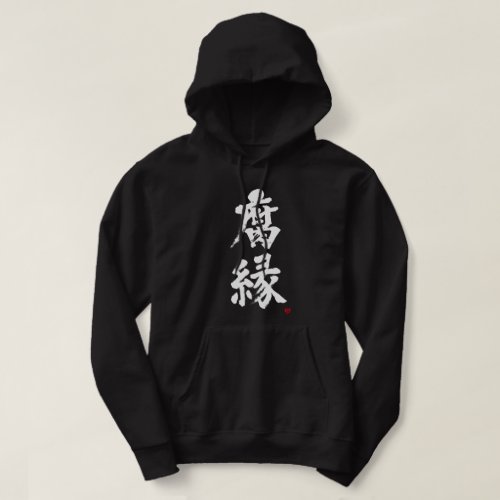
[Kanji] Old school friend Hoodie
Japanese says "Kusare-en". It means a relationship that you can't leave even if you try to leave, but if you take it positively, it means a long-stand
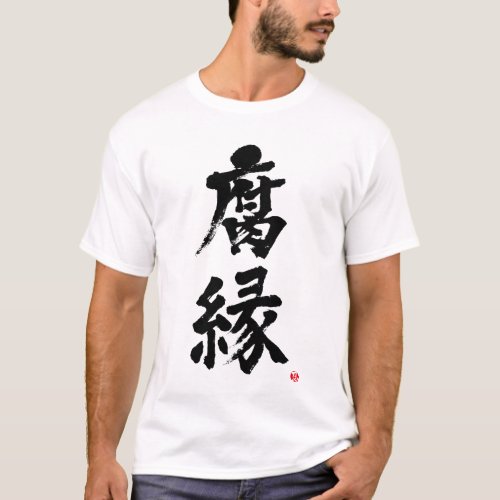
[Kanji] Old school friend T-Shirt
Japanese says "Kusare-en". It means a relationship that you can't leave even if you try to leave, but if you take it positively, it means a long-stand
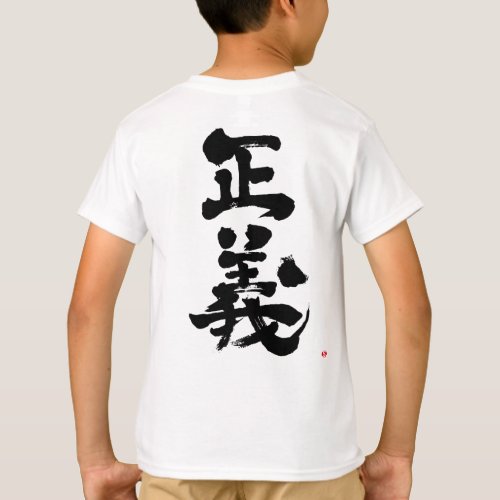
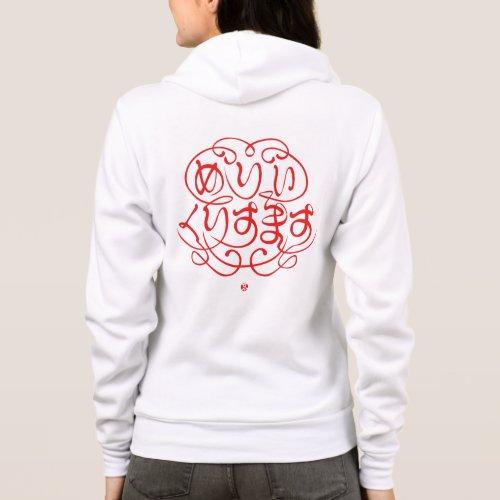
[Hiragana] merry christmas Hoodie
Used to express good wishes on or before Christmas Day. it is literal translation in Japanese Hiragana.
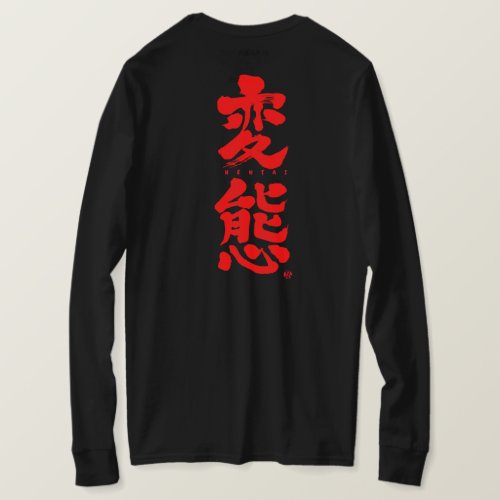
[Kanji] Hentai long sleeves T-Shirt
It usually means to change shape. Common name for adult manga and adult anime. Japanese says "Hen Tai".
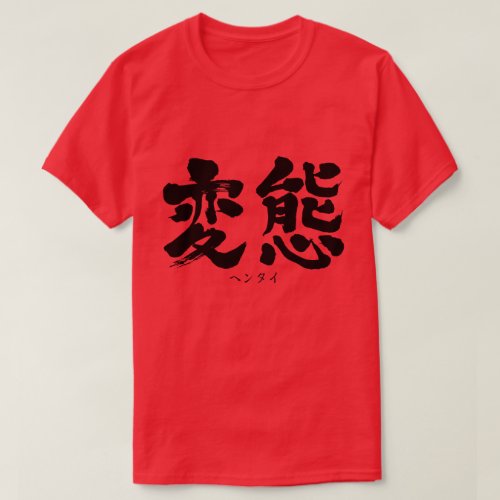
[Kanji] Hentai T-Shirt
It usually means to change shape. Common name for adult manga and adult anime. Japanese says "Hen Tai".